Recognizing hantavirus symptoms early can be lifesaving. Hantavirus infections cause two primary diseases: Hantavirus Pulmonary Syndrome (HPS) in the Americas and Hemorrhagic Fever with Renal Syndrome (HFRS) in Europe and Asia. Both conditions progress through distinct stages, and understanding these symptoms is crucial for timely medical intervention.
According to the World Health Organization, hantavirus infections have a case fatality rate of up to 50% for HPS in the Americas, making early symptom recognition critically important.
Incubation Period
The time between exposure to hantavirus and the onset of symptoms typically ranges from 1 to 8 weeks, with most cases developing symptoms within 2 to 4 weeks after exposure. This relatively long incubation period can make it difficult to connect symptoms with the initial rodent exposure.
Early Symptoms of Hantavirus (Prodromal Phase)
The initial phase of hantavirus infection presents with non-specific symptoms that can easily be mistaken for other illnesses such as influenza. This prodromal phase typically lasts 3 to 5 days.
Common Early Warning Signs
- Fever (38°C/100.4°F or higher)
- Severe muscle aches, particularly in the thighs, hips, back, and shoulders
- Fatigue and general weakness
- Headaches
- Dizziness
- Chills
Gastrointestinal Symptoms
Many patients also experience digestive symptoms during the early phase:
- Nausea and vomiting
- Abdominal pain
- Diarrhea (in some cases)
These early symptoms are often described as feeling like a severe flu, which is why many patients delay seeking medical attention. If you have had recent rodent exposure and develop these symptoms, contact a healthcare provider immediately.
Hantavirus Pulmonary Syndrome (HPS) Symptoms
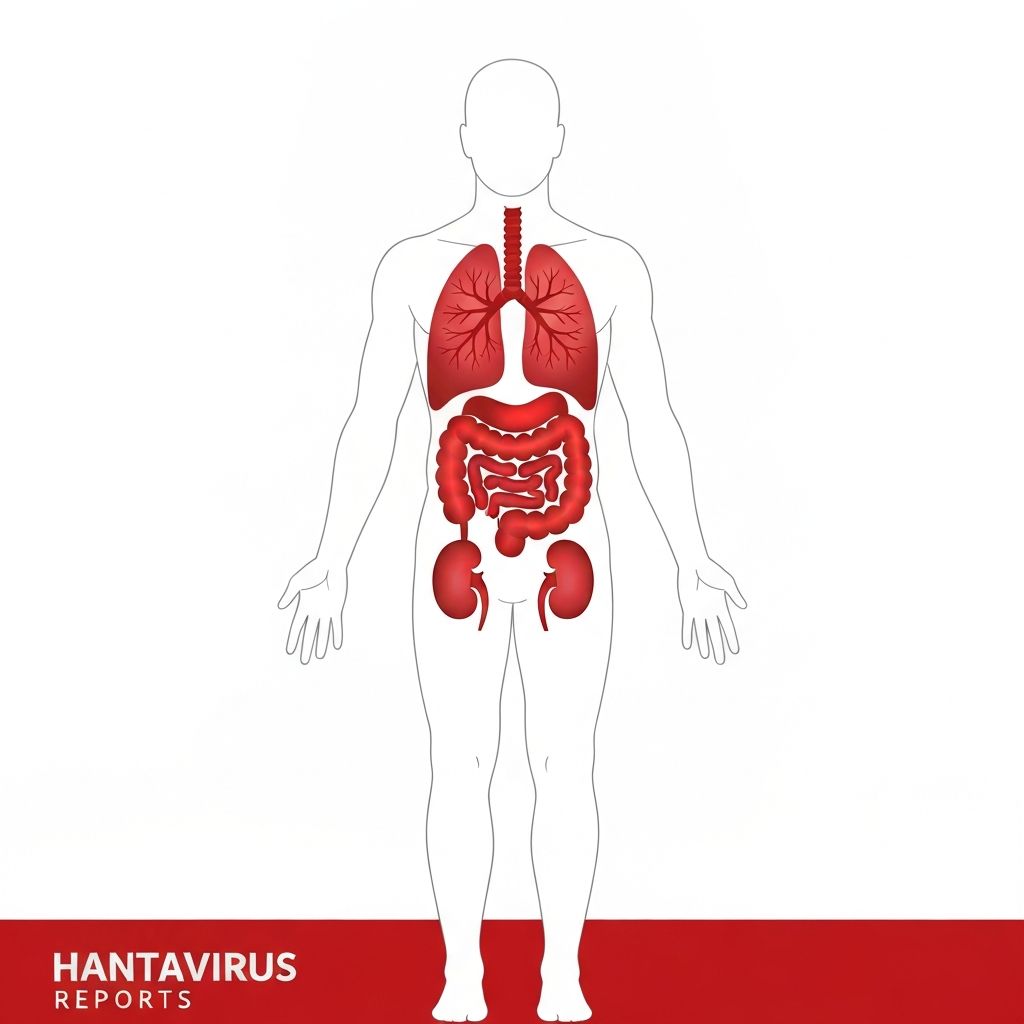
HPS is the form of hantavirus disease found in the Americas, including the United States, Argentina, Chile, and other countries. It primarily affects the lungs and cardiovascular system.
Cardiopulmonary Phase (4-10 Days After Symptom Onset)
After the initial prodromal phase, HPS patients rapidly develop severe respiratory symptoms:
| Symptom | Description | Severity |
|---|---|---|
| Coughing | Dry cough that may produce frothy sputum | Moderate to Severe |
| Shortness of breath | Progressive difficulty breathing | Severe |
| Tachycardia | Rapid heart rate | Severe |
| Hypotension | Low blood pressure | Severe |
| Pulmonary edema | Fluid accumulation in lungs | Life-threatening |
Critical Warning Signs Requiring Emergency Care
Seek immediate emergency medical attention if you experience:
- Severe difficulty breathing or gasping for air
- A feeling of drowning or suffocation
- Bluish discoloration of lips or fingertips (cyanosis)
- Rapid, shallow breathing
- Confusion or altered mental status
- Chest tightness or pain
Hemorrhagic Fever with Renal Syndrome (HFRS) Symptoms
HFRS is the form of hantavirus disease prevalent in Europe and Asia. Unlike HPS, HFRS primarily affects the kidneys and blood vessels.
Five Phases of HFRS
HFRS typically progresses through five distinct clinical phases:
| Phase | Duration | Key Symptoms |
|---|---|---|
| Febrile | 3-7 days | High fever, headache, blurred vision, facial flushing |
| Hypotensive | Hours to 2 days | Low blood pressure, shock, nausea |
| Oliguric | 3-7 days | Decreased urine output, fluid retention, potential hemorrhaging |
| Diuretic | Days to weeks | Increased urination, gradual improvement |
| Convalescent | Weeks to months | Slow recovery, potential lingering weakness |
HFRS-Specific Symptoms
- Petechiae: Small red or purple spots on the skin caused by bleeding
- Conjunctival hemorrhage: Bleeding in the white of the eye
- Back pain: Often severe, centered around the kidney area
- Proteinuria: Protein in the urine indicating kidney damage
- Oliguria: Significantly reduced urine output
The European Centre for Disease Prevention and Control notes that HFRS caused by different virus strains varies in severity, with Puumala virus in Europe causing milder disease compared to Hantaan virus in Asia.
Symptom Comparison: HPS vs. HFRS
Understanding the differences between these two syndromes can help identify which form of hantavirus disease may be present:
| Feature | HPS (Americas) | HFRS (Europe/Asia) |
|---|---|---|
| Primary organs affected | Lungs, heart | Kidneys, blood vessels |
| Respiratory symptoms | Severe | Mild or absent |
| Kidney involvement | Minimal | Significant |
| Hemorrhagic symptoms | Rare | Common |
| Case fatality rate | 30-50% | 1-15% |
| Typical virus strains | Sin Nombre, Andes | Hantaan, Puumala, Seoul |
Risk Factors That Increase Symptom Awareness
Certain activities and situations increase the risk of hantavirus exposure. Be especially vigilant about symptoms if you have recently:
- Cleaned out sheds, barns, or cabins that have been closed for extended periods
- Worked in areas with rodent droppings or nesting materials
- Camped or hiked in rural or wilderness areas
- Handled wild rodents or their nests
- Lived in or visited areas with known hantavirus activity
For more information about the current hantavirus outbreak linked to cruise ship travel, travelers should be aware of potential exposure risks.
When to Seek Medical Attention
The Centers for Disease Control and Prevention recommends seeking medical care if you develop fever and muscle aches after potential rodent exposure. Do not wait for respiratory symptoms to develop.
Information to Provide Your Healthcare Provider
When seeking medical care, be prepared to share:
- Any recent activities involving potential rodent contact
- Timeline of symptom development
- Travel history, especially to rural or wilderness areas
- Any known hantavirus cases in your area or among contacts
Diagnosis Challenges
Early hantavirus symptoms overlap significantly with other common illnesses, making diagnosis challenging. Conditions that may be initially confused with hantavirus include:
- Influenza
- COVID-19
- Bacterial pneumonia
- Leptospirosis
- Dengue fever
- Sepsis
Laboratory confirmation requires serological testing for hantavirus-specific antibodies or RT-PCR testing during the acute phase of illness.
Prognosis and Recovery
For patients who survive the acute phase of hantavirus infection, recovery is generally complete, though it may take weeks to months. Some patients experience prolonged fatigue and weakness during the convalescent phase.
Early recognition of symptoms and prompt supportive medical care significantly improve survival rates. Patients with HPS who receive intensive care support, including mechanical ventilation when needed, have better outcomes than those who delay seeking treatment.
Prevention Through Awareness
Understanding hantavirus symptoms is the first step in protecting yourself and your family. For detailed information on preventing hantavirus infection, including safe cleaning practices and rodent control measures, visit our prevention resources.
Stay informed about the latest hantavirus developments by following our news updates and statistics dashboard.
*This article is for informational purposes only and does not constitute medical advice. If you suspect hantavirus infection, seek immediate medical attention. Information sourced from WHO, CDC, and ECDC guidelines.*