Global Hantavirus Case Map
Interactive visualization of hantavirus endemic regions and outbreak locations worldwide. Click on markers to view detailed case information.
Loading map...
Global Statistics
View Full Dashboard38.0K
Total Cases
475
Active Cases
34.9K
Recovered
2.6K
Deaths
Data compiled from WHO, CDC, ECDC, and PAHO. Cumulative statistics since 1993.
Regional Overview
Hantavirus Pulmonary Syndrome caused by Sin Nombre and Andes viruses. Higher fatality rate (30-40%).
Affected Countries:
Andes virus in South America can spread person-to-person
Hemorrhagic Fever with Renal Syndrome caused primarily by Puumala virus. Lower fatality rate (less than 1%).
Affected Countries:
Also called nephropathia epidemica in Scandinavia
HFRS caused by Hantaan and Seoul viruses. China reports majority of global cases.
Affected Countries:
Hantavirus was first identified in Korea in 1978
Active Outbreak Alert
A hantavirus cluster has been identified aboard the cruise ship MV Hondius, currently en route to the Canary Islands. Health authorities in multiple countries are tracking passengers who disembarked earlier in the voyage.
Read full outbreak reportFrequently Asked Questions
What is the difference between HPS and HFRS?
HPS (Hantavirus Pulmonary Syndrome) primarily affects the lungs and occurs in the Americas. HFRS (Hemorrhagic Fever with Renal Syndrome) primarily affects the kidneys and occurs in Europe and Asia. Different virus strains cause each syndrome.
Why are cases concentrated in certain regions?
Hantavirus distribution follows the habitat of specific rodent species that carry each virus strain. Deer mice carry Sin Nombre virus in North America, while bank voles carry Puumala virus in Europe.
Can hantavirus spread between people?
Most hantavirus strains do not spread person-to-person. However, the Andes virus found in South America is unique in that it can spread through close contact with infected individuals.
How accurate is this map data?
Case numbers represent cumulative reported cases based on WHO, CDC, ECDC, and PAHO data. Actual numbers may be higher due to underreporting, particularly in regions with limited surveillance capacity.
In-Depth Articles
View All Articles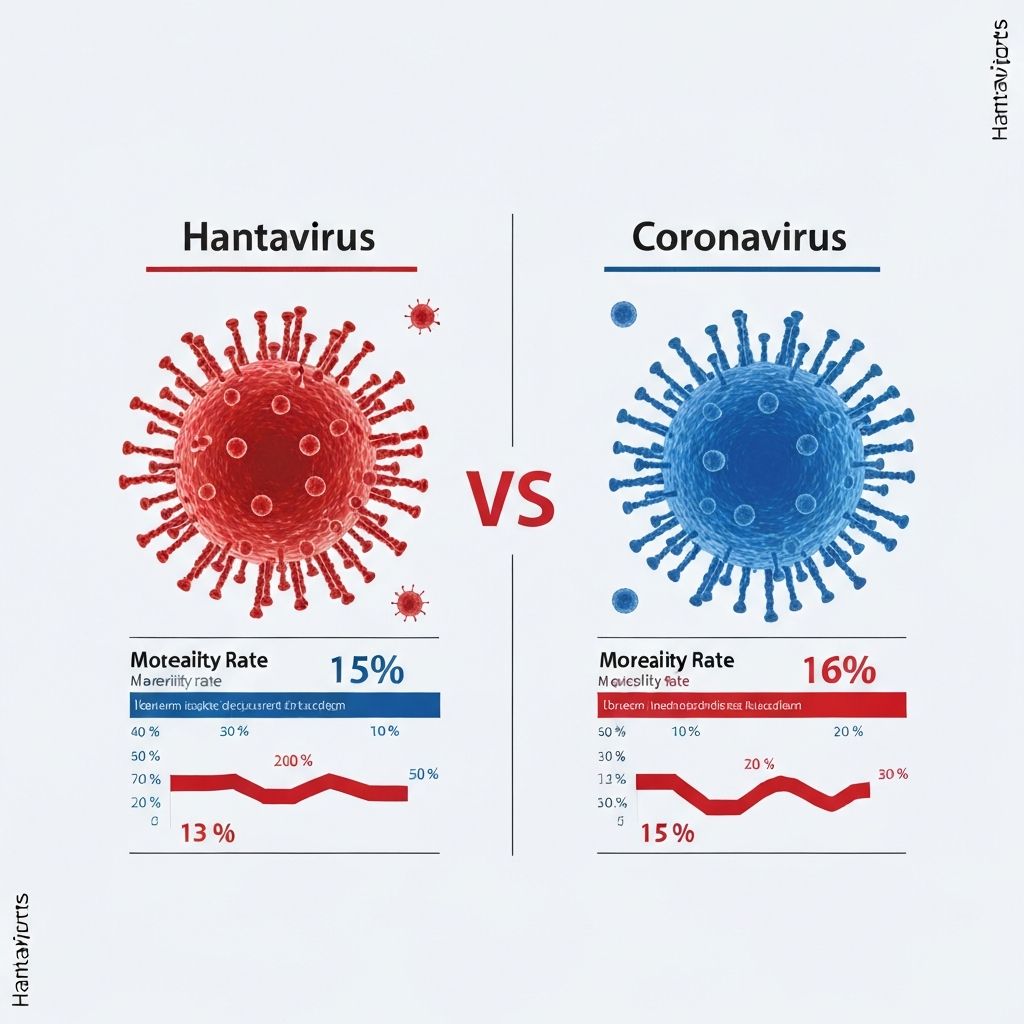
A detailed comparison of hantavirus and coronavirus mortality rates, transmission methods, and public health impacts. Learn how these two viruses differ and why case fatality rates tell only part of the story.
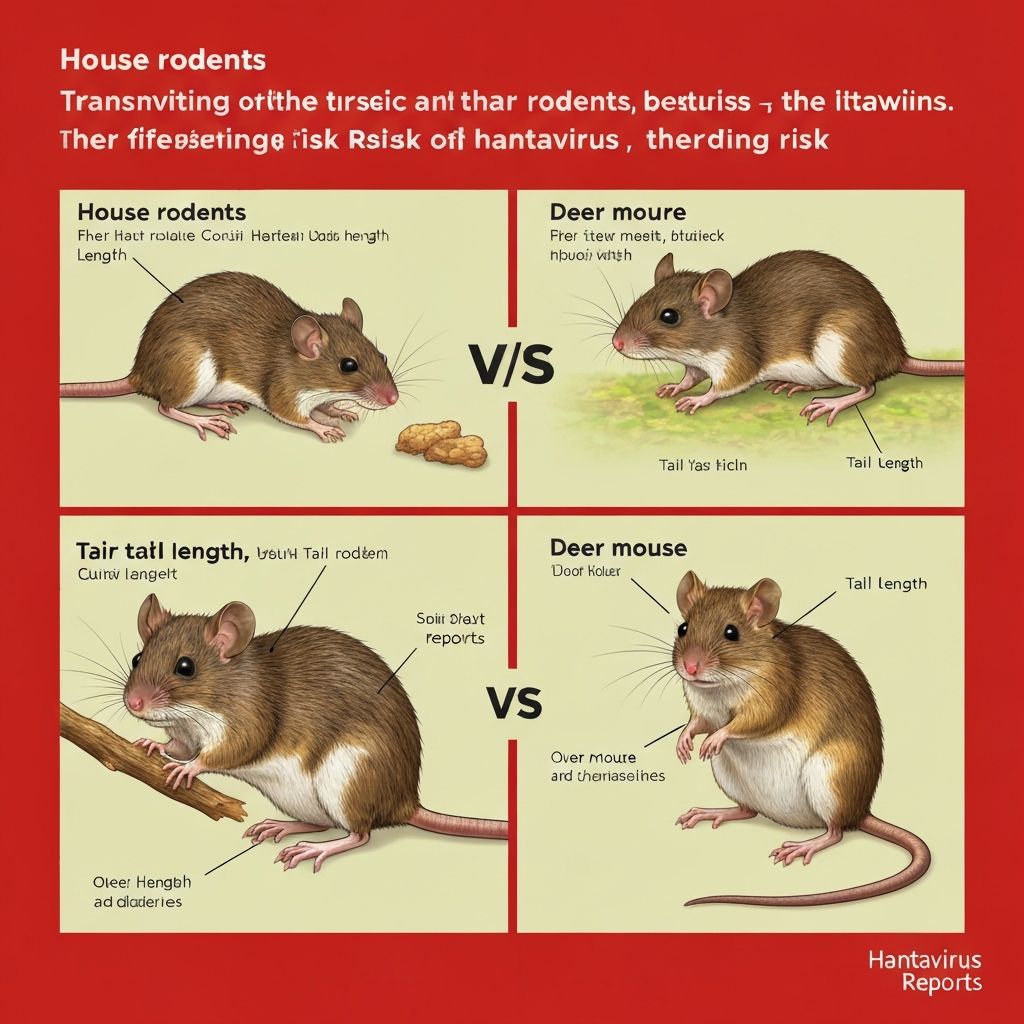
Learn whether common house mice carry hantavirus, which rodent species actually transmit the virus, and how to identify high-risk rodents in your home or property.
Learn about hantavirus testing methods, when to get tested, what to expect during diagnosis, and how healthcare providers confirm infection through laboratory analysis.
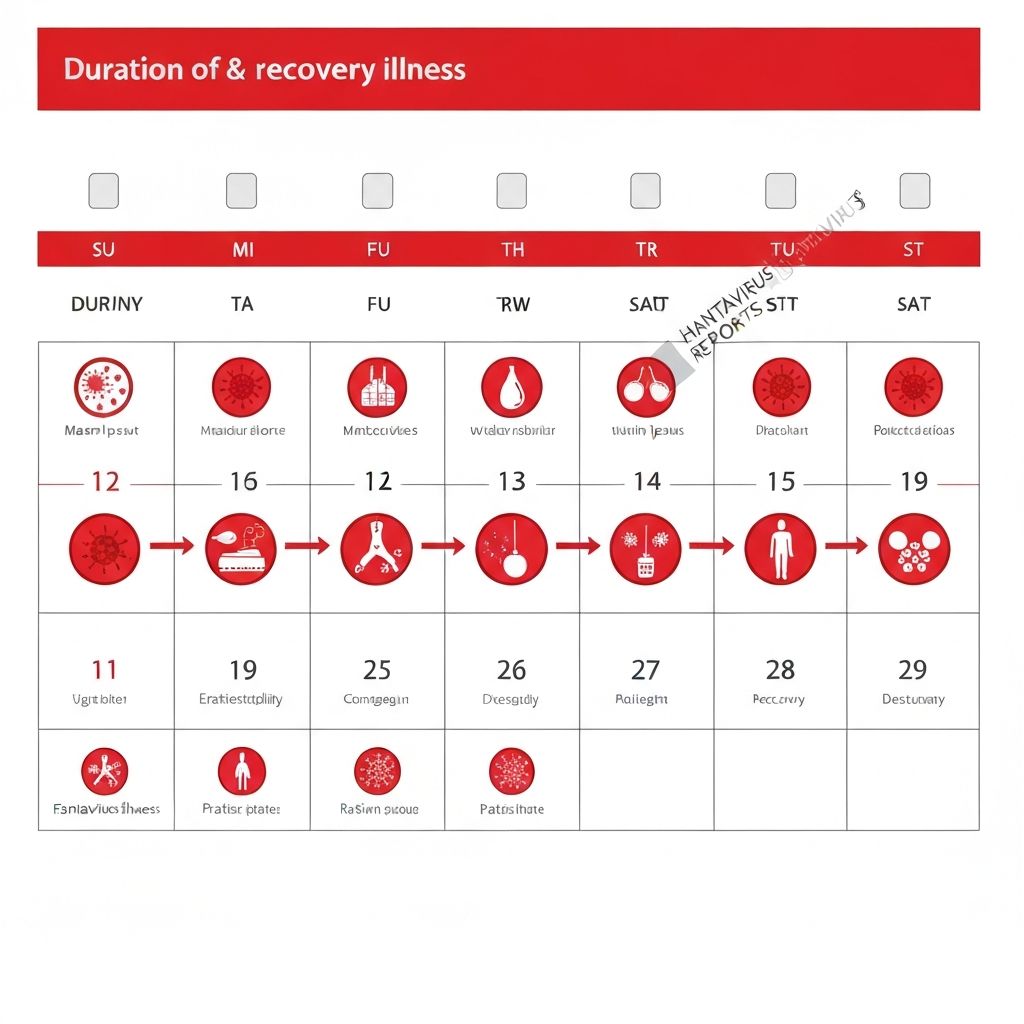
Understand how long hantavirus illness lasts, from initial infection through recovery. Learn about incubation periods, acute illness phases, and what to expect during the recovery process.

Learn about current hantavirus treatment options, intensive care protocols, and what to expect during recovery. Understand why early medical intervention is critical for survival.
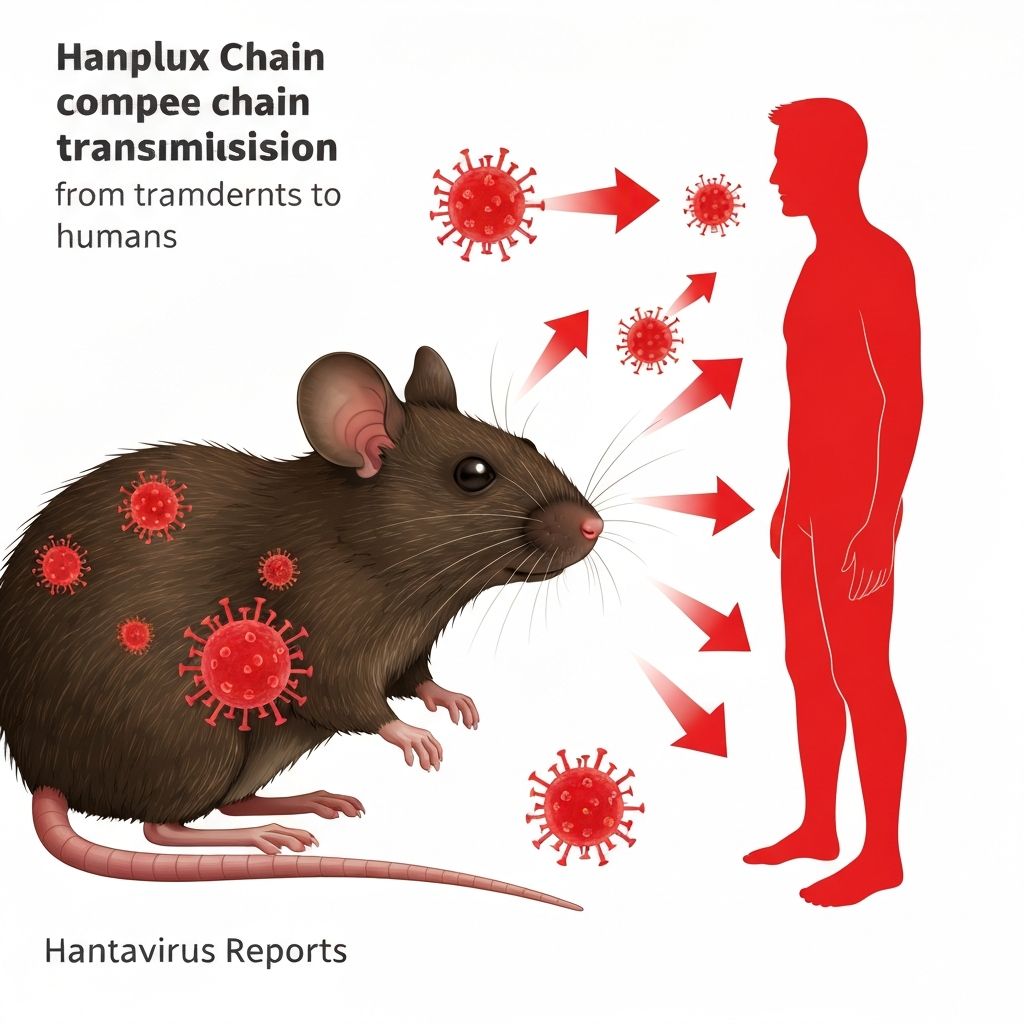
Learn exactly how hantavirus spreads from rodents to humans, the activities that put you at risk, and how to protect yourself from infection.