Hantavirus treatment focuses on supportive medical care because no specific antiviral medication or cure currently exists for this infection. Early recognition of symptoms and prompt hospitalization are the most critical factors in improving survival rates.
This guide explains the current treatment approaches for both Hantavirus Pulmonary Syndrome (HPS) and Hemorrhagic Fever with Renal Syndrome (HFRS), based on protocols from the Centers for Disease Control and Prevention and World Health Organization.
Why There Is No Cure for Hantavirus
Unlike many viral infections, hantavirus has no approved antiviral treatment. This is because:
- The virus causes rapid, severe damage before antivirals can take effect
- Hantavirus infections are relatively rare, limiting clinical trial opportunities
- The disease progresses quickly from mild symptoms to life-threatening illness
- Each hantavirus strain behaves differently, complicating treatment development
Despite ongoing research, supportive care remains the standard treatment approach worldwide. Understanding what hantavirus is helps explain why treatment focuses on managing symptoms rather than eliminating the virus.
Treatment for Hantavirus Pulmonary Syndrome (HPS)
HPS is the more severe form of hantavirus disease, primarily found in the Americas. Treatment requires intensive medical intervention.
Immediate Hospital Care
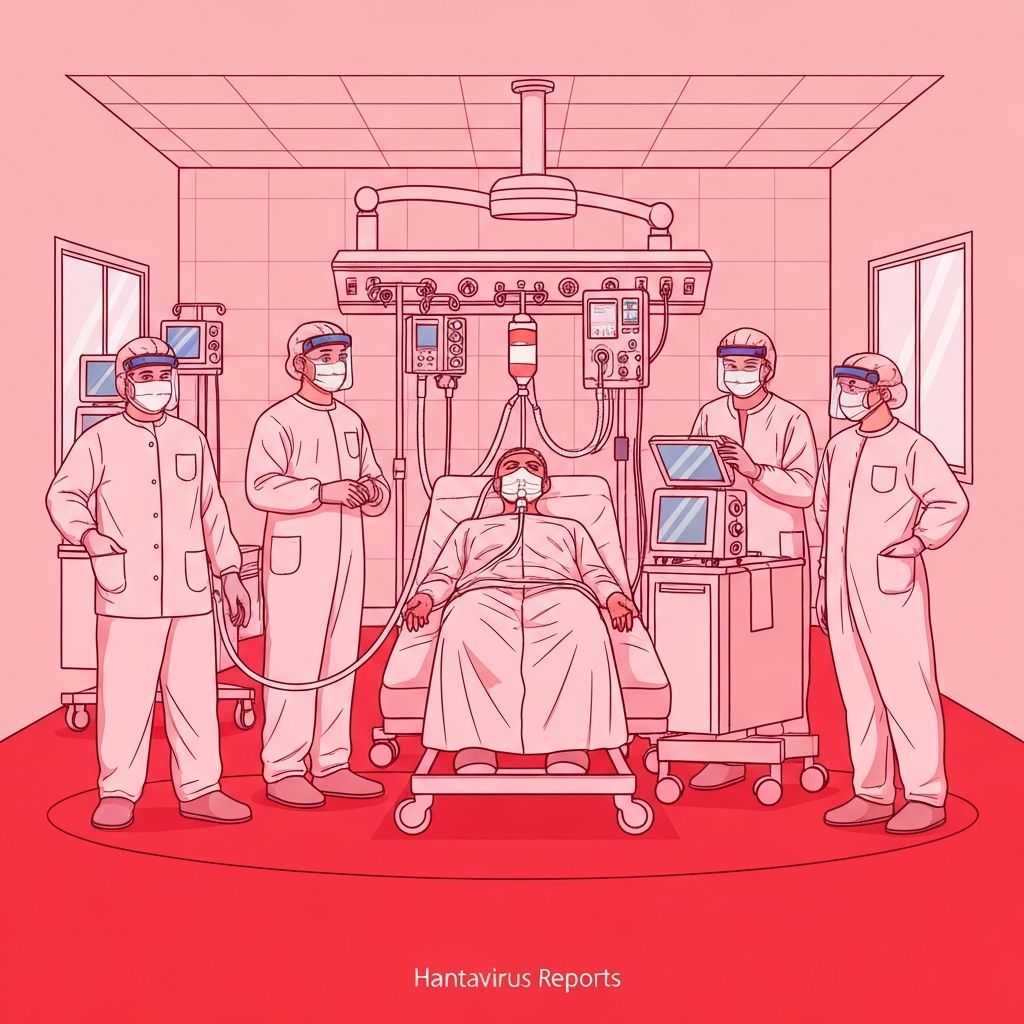
Patients suspected of having HPS should be hospitalized immediately. Initial treatment includes:
| Treatment Component | Purpose | Timing |
|---|---|---|
| IV fluid management | Maintain blood pressure without overloading lungs | Immediate |
| Oxygen therapy | Support breathing as lung function declines | Immediate |
| Continuous monitoring | Track vital signs and organ function | Ongoing |
| Blood tests | Monitor kidney function and blood oxygen | Regular intervals |
Intensive Care Unit (ICU) Treatment
Most HPS patients require ICU admission. Critical care interventions include:
- Mechanical ventilation: Breathing support when lungs fill with fluid
- Vasopressors: Medications to maintain blood pressure
- Careful fluid balance: Preventing fluid overload while maintaining circulation
- ECMO (Extracorporeal Membrane Oxygenation): Heart-lung bypass machine for severe cases
ECMO Therapy
ECMO has emerged as a potentially life-saving intervention for severe HPS cases. This advanced treatment:
- Takes over heart and lung function temporarily
- Allows damaged organs time to recover
- Requires specialized medical centers
- Has shown improved survival rates in some studies
Not all hospitals have ECMO capability. Patients in rural areas may need emergency transfer to larger medical centers.
Treatment for Hemorrhagic Fever with Renal Syndrome (HFRS)
HFRS, found primarily in Europe and Asia, requires different treatment focus due to its kidney involvement. For regional case data, visit our global map.
Supportive Care Protocol
| Phase of Illness | Primary Concerns | Treatment Focus |
|---|---|---|
| Febrile phase | High fever, pain | Fever reduction, pain management |
| Hypotensive phase | Low blood pressure | IV fluids, vasopressors |
| Oliguric phase | Reduced urine output | Fluid restriction, dialysis if needed |
| Diuretic phase | Excessive urination | Electrolyte replacement |
| Convalescent phase | Recovery | Monitoring, gradual activity increase |
Kidney Support
Kidney involvement is the hallmark of HFRS. Treatment includes:
- Fluid management: Adjusting based on kidney function
- Dialysis: When kidneys cannot filter blood adequately
- Electrolyte monitoring: Preventing dangerous imbalances
- Blood pressure control: Protecting kidney function
Ribavirin for HFRS
Ribavirin, an antiviral medication, has shown some benefit for HFRS when given early:
- Most effective if started within first few days of illness
- Used primarily in Asia for Hantaan virus infections
- Not approved or recommended for HPS treatment
- Requires early diagnosis to be effective
The Critical Importance of Early Treatment
Survival rates for hantavirus infections depend heavily on how quickly treatment begins. Consider these statistics:
| Time to Treatment | Approximate HPS Survival Rate |
|---|---|
| Within 24 hours of severe symptoms | Higher survival rates |
| Delayed 48-72 hours | Significantly reduced survival |
| After respiratory failure | Very poor prognosis |
What to Expect During Hospitalization
Understanding the hospital experience helps patients and families prepare:
Initial Assessment
- Complete medical history, including potential rodent exposure
- Physical examination focusing on respiratory and cardiovascular systems
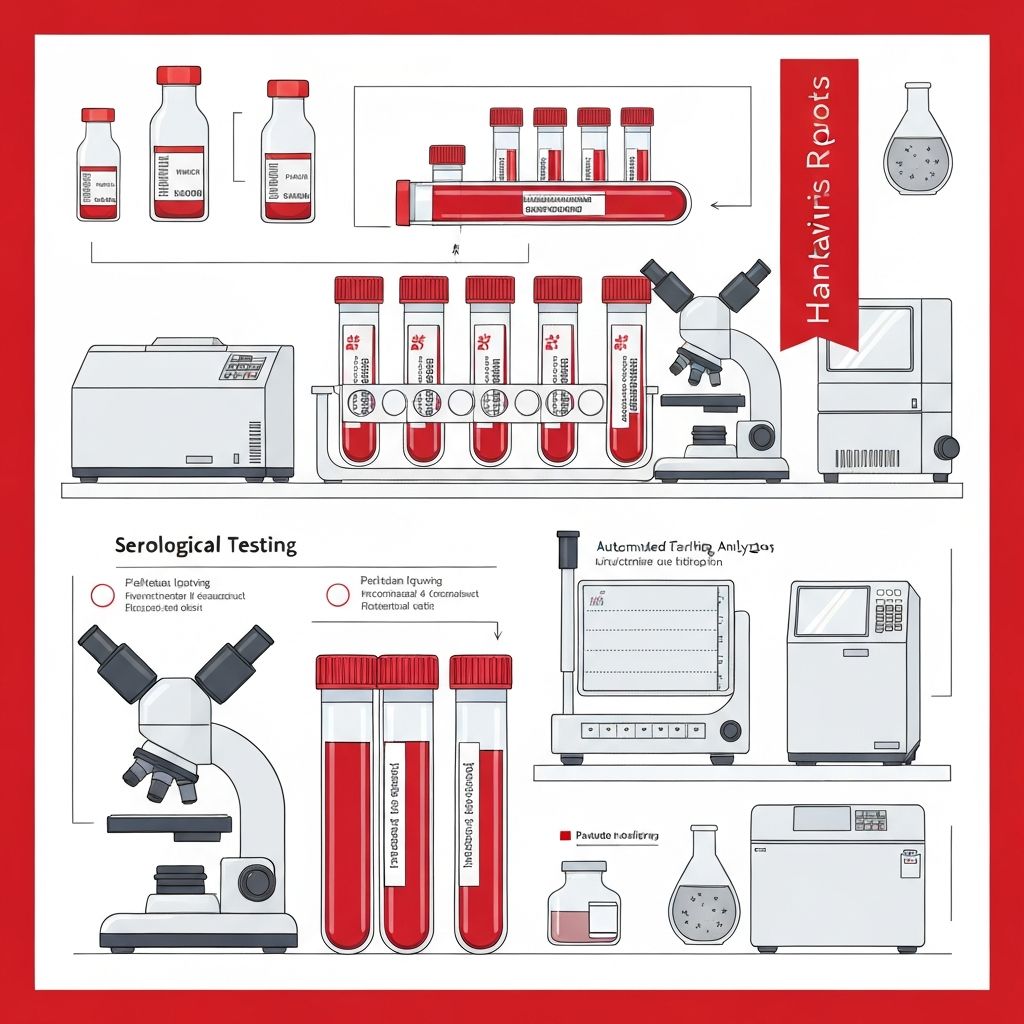
- Blood tests for antibodies and organ function
- Chest X-ray or CT scan to assess lung involvement
Monitoring and Testing
Doctors will continuously monitor:
- Blood oxygen levels (pulse oximetry)
- Blood pressure and heart rate
- Kidney function (creatinine, BUN levels)
- Complete blood count
- Electrolyte balance
Family Communication
Healthcare teams will provide regular updates on:
- Disease progression
- Treatment effectiveness
- Prognosis and expected outcomes
- Decisions about advanced interventions
Recovery from Hantavirus
Recovery varies significantly between patients and depends on disease severity.
HPS Recovery Timeline
- Acute phase: 7-10 days of critical illness
- Initial recovery: 1-2 weeks of improving symptoms
- Full recovery: Several weeks to months for complete lung healing
- Long-term effects: Some patients experience persistent fatigue or reduced lung function
HFRS Recovery Timeline
- Acute phase: 1-2 weeks of active illness
- Kidney recovery: Usually complete within weeks to months
- Full recovery: Most patients recover without lasting kidney damage
- Monitoring period: Follow-up kidney function tests recommended
Post-Recovery Care
After discharge, patients should:
- Attend all follow-up appointments
- Report any new or returning symptoms
- Gradually increase physical activity
- Avoid strenuous exercise until cleared by doctors
- Monitor for signs of complications
Experimental and Emerging Treatments
Researchers continue investigating new treatment options:
Current Research Areas
- Monoclonal antibodies: Targeting hantavirus proteins
- New antiviral compounds: Drugs designed specifically for hantaviruses
- Immune-modulating therapies: Reducing harmful immune responses
- Vaccine development: Preventing infection rather than treating it
Clinical Trials
Patients may be offered participation in clinical trials testing new treatments. Discuss this option with healthcare providers. Check our news section for updates on hantavirus research.
Prevention: The Best Treatment
Since no cure exists, preventing infection is paramount. Review how you get hantavirus and follow these prevention strategies:
Home Protection
- Seal entry points where rodents could enter
- Store food in rodent-proof containers
- Eliminate rodent habitats around your home
- Use traps to control rodent populations
Safe Cleaning Practices
When cleaning areas with potential rodent contamination:
- Ventilate for 30 minutes before entering
- Never sweep or vacuum droppings
- Use 10% bleach solution or disinfectant
- Wear gloves and consider a respirator mask
- Double-bag all contaminated materials
When to Seek Emergency Care
Seek immediate medical attention if you experience:
- Difficulty breathing or shortness of breath
- Fever with severe muscle aches after rodent exposure
- Rapid heartbeat or feeling faint
- Symptoms that worsen rapidly over hours
- Any symptoms within 1-8 weeks of potential exposure
Visit our statistics dashboard to understand current outbreak patterns in your region.
Costs and Healthcare Considerations
Hantavirus treatment can be expensive due to ICU requirements:
- ICU stay: Often 1-2 weeks or longer
- ECMO therapy: Extremely costly when needed
- Follow-up care: Multiple appointments post-discharge
- Lost work time: Extended recovery period
Health insurance coverage varies. Discuss financial concerns with hospital social workers who can help identify assistance programs.
Frequently Asked Questions
Is there a pill or medicine that cures hantavirus?
No. Currently, there is no antiviral pill, injection, or medication that cures hantavirus infection. Treatment consists entirely of supportive care to help the body fight the infection while managing symptoms and preventing complications.
Can antibiotics treat hantavirus?
No. Antibiotics only work against bacteria, not viruses. Since hantavirus is a viral infection, antibiotics have no effect. However, antibiotics may be given if a secondary bacterial infection develops during hospitalization.
How long does hantavirus treatment take?
Treatment duration varies. Hospitalization typically lasts 1-3 weeks for severe cases, with full recovery taking several weeks to months. Mild cases may recover faster, but all suspected cases should be medically evaluated.
Can you treat hantavirus at home?
No. Hantavirus infections can rapidly become life-threatening and require hospital monitoring. Even if symptoms seem mild initially, they can progress to respiratory failure within hours. Always seek medical care for suspected hantavirus.
What is the survival rate with treatment?
With prompt, aggressive supportive care, HPS survival rates have improved to approximately 60-70%. HFRS has lower fatality rates (1-15% depending on virus strain). Early treatment significantly improves outcomes for both conditions.
Conclusion
While hantavirus treatment cannot cure the infection, modern intensive care significantly improves survival rates. The key factors in successful treatment are:
- Recognizing symptoms early
- Seeking immediate medical attention
- Receiving aggressive supportive care
- Accessing specialized interventions like ECMO when needed
Prevention remains the most effective strategy against hantavirus. By understanding how transmission occurs and taking appropriate precautions, you can significantly reduce your risk of needing treatment.
Stay informed about hantavirus developments by following our latest news and exploring our in-depth articles.
*This article is for informational purposes only and does not constitute medical advice. If you suspect hantavirus infection, seek immediate emergency medical care. Information sourced from WHO, CDC, and peer-reviewed medical literature.*