Hantavirus is a group of viruses primarily carried by rodents that can cause severe, potentially fatal diseases in humans. Understanding what hantavirus is and how it spreads is essential for protecting yourself and your family, especially if you live in or travel to areas where these viruses are endemic.
This guide provides a thorough overview of hantavirus, including its origins, the diseases it causes, and evidence-based prevention strategies recommended by the World Health Organization and Centers for Disease Control and Prevention.
What is Hantavirus?
Hantaviruses are a family of viruses belonging to the order Bunyavirales, family Hantaviridae. Unlike many other viruses in this order, hantaviruses are not transmitted by arthropods (insects or ticks) but instead by rodents.
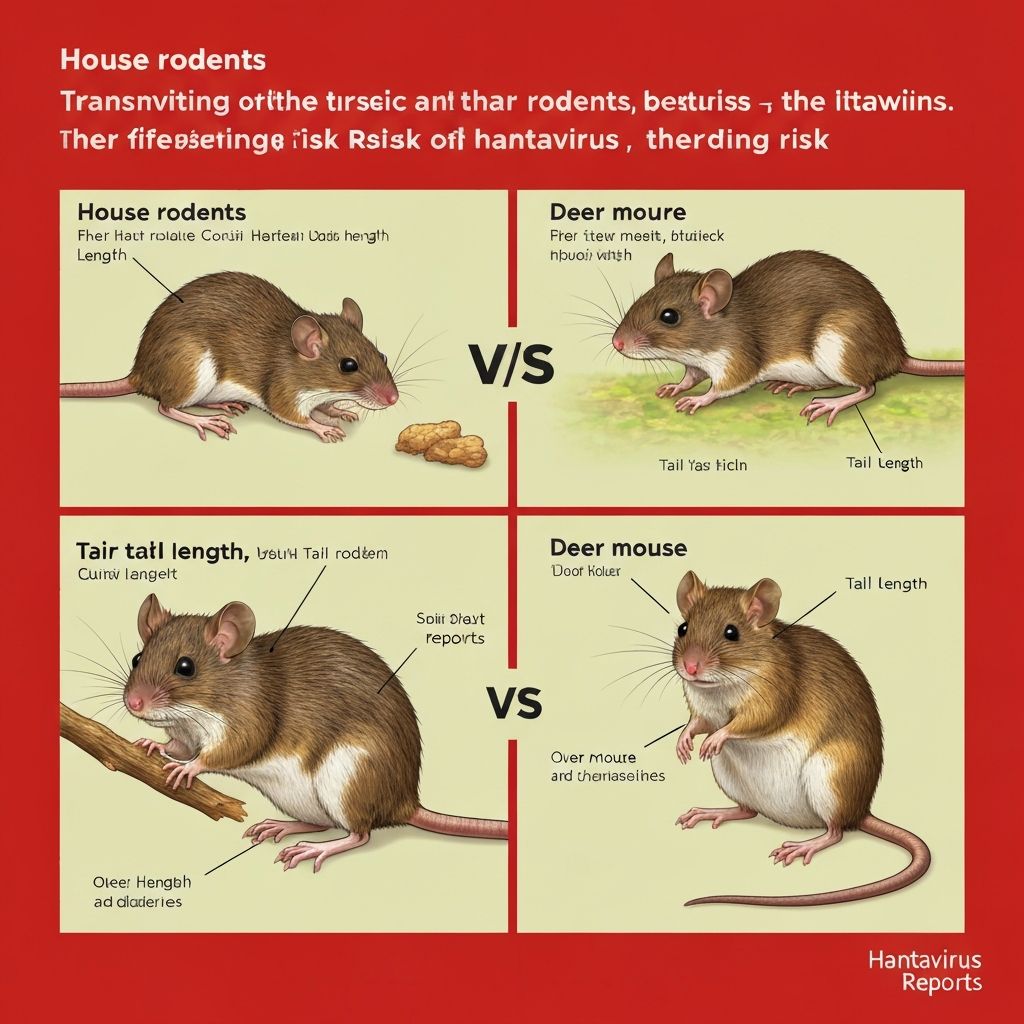
Each hantavirus strain is typically associated with a specific rodent host species. When humans come into contact with infected rodents or their excreta, they can become infected and develop serious illness.
Key Facts About Hantavirus
- Discovery: First identified in 1978 near the Hantan River in South Korea
- Host animals: Primarily rodents (mice, rats, voles)
- Human transmission: Through inhalation of aerosolized rodent excreta
- Incubation period: 1 to 8 weeks (typically 2-4 weeks)
- Treatment: No specific antiviral treatment available
- Vaccines: No FDA-approved vaccine currently available
Types of Hantavirus Diseases
Hantaviruses cause two primary disease syndromes in humans, depending on geographic location and virus strain:
| Disease | Geographic Region | Primary Organs Affected | Case Fatality Rate | Main Virus Strains |
|---|---|---|---|---|
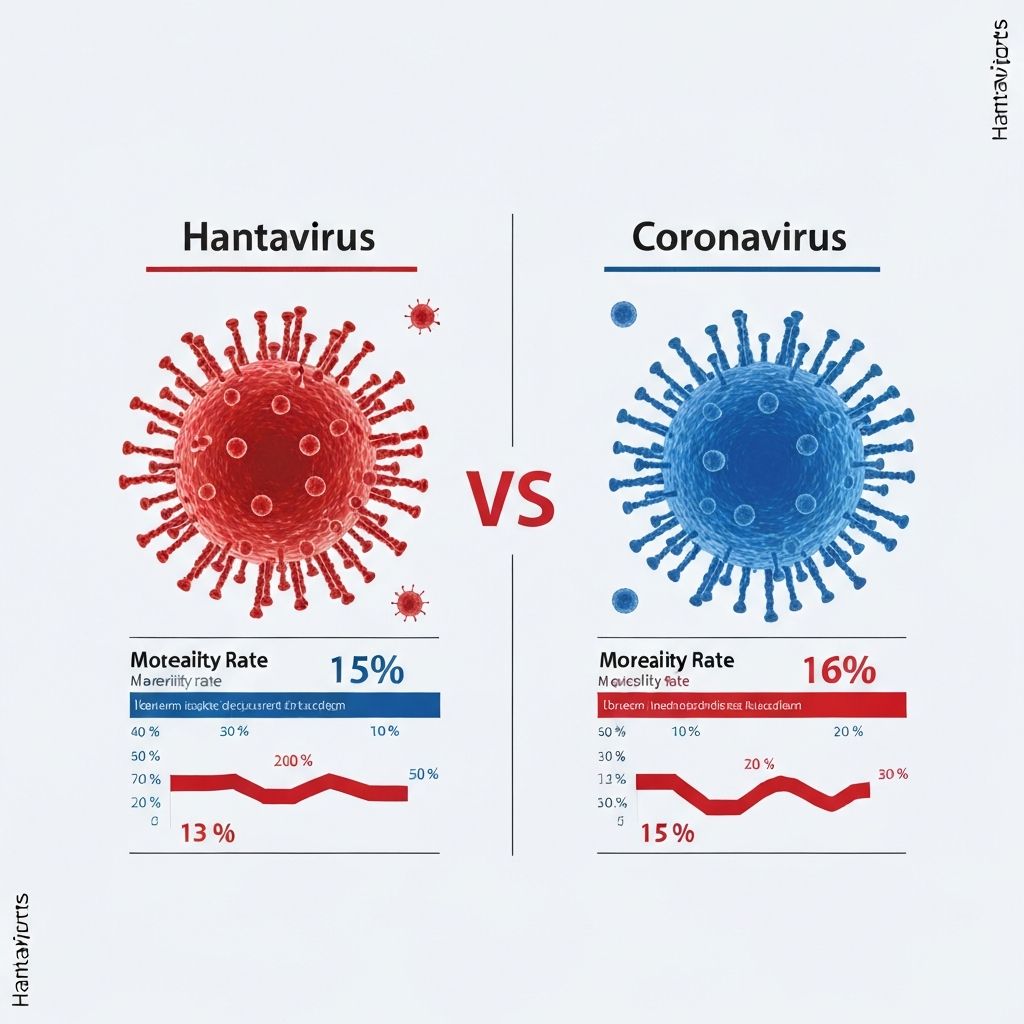
| Hantavirus Pulmonary Syndrome (HPS) | Americas | Lungs, heart | 30-50% | Sin Nombre, Andes, Black Creek Canal |
| Hemorrhagic Fever with Renal Syndrome (HFRS) | Europe, Asia | Kidneys, blood vessels | 1-15% | Hantaan, Seoul, Puumala, Dobrava |
Hantavirus Pulmonary Syndrome (HPS)
HPS was first recognized in 1993 during an outbreak in the Four Corners region of the southwestern United States. The disease is characterized by:
- Severe respiratory distress
- Pulmonary edema (fluid in the lungs)
- Cardiovascular collapse
- Rapid progression from mild symptoms to critical illness
For detailed information about recognizing this disease early, visit our guide on hantavirus symptoms.
Hemorrhagic Fever with Renal Syndrome (HFRS)
HFRS has been recognized for much longer than HPS and is prevalent across Europe and Asia. The disease typically includes:
- Kidney dysfunction
- Hemorrhagic manifestations (bleeding)
- Varying severity depending on the virus strain
- Generally lower fatality rates than HPS
How is Hantavirus Transmitted?
Understanding transmission routes is crucial for prevention. Hantavirus spreads to humans through several pathways:
Primary Transmission Routes
1. Inhalation of aerosolized particles: The most common route. When rodent urine, droppings, or nesting materials dry out, virus particles can become airborne and be inhaled.
2. Direct contact: Touching contaminated materials and then touching the eyes, nose, or mouth.
3. Rodent bites: Though rare, bites from infected rodents can transmit the virus.
4. Person-to-person transmission: Only documented with the Andes virus in South America. This makes Andes virus unique among hantaviruses. For the latest on person-to-person transmission concerns, see our coverage of the cruise ship outbreak.
Activities That Increase Risk
Certain activities put individuals at higher risk of hantavirus exposure:
- Cleaning cabins, sheds, or outbuildings that have been closed
- Entering or cleaning rodent-infested buildings
- Camping or hiking in areas with rodent populations
- Working in agriculture, forestry, or construction
- Living in homes with rodent infestations
Hantavirus Strains Worldwide
Different hantavirus strains are found in different regions, each carried by specific rodent hosts:
| Virus Strain | Geographic Region | Rodent Host | Disease Caused |
|---|---|---|---|
| Sin Nombre | North America | Deer mouse | HPS |
| Andes | South America | Long-tailed pygmy rice rat | HPS |
| Hantaan | Asia (Korea, China) | Striped field mouse | HFRS (severe) |
| Seoul | Worldwide | Norway rat, black rat | HFRS (moderate) |
| Puumala | Europe | Bank vole | HFRS (mild, "nephropathia epidemica") |
| Dobrava-Belgrade | Balkans | Yellow-necked mouse | HFRS (severe) |
Diagnosis and Testing
Diagnosing hantavirus infection requires laboratory testing, as symptoms can resemble other illnesses such as influenza or pneumonia.
Diagnostic Methods
- Serological testing: Detection of IgM and IgG antibodies against hantavirus
- RT-PCR: Detection of viral RNA in blood or tissue samples
- Immunohistochemistry: Detection of viral antigens in tissue samples
Early diagnosis is critical for improving outcomes. If you have potential rodent exposure and develop fever with muscle aches, seek medical attention immediately.
Treatment Options
Currently, there is no specific antiviral treatment or cure for hantavirus infections. Management focuses on supportive care:
For HPS
- Intensive care unit admission
- Oxygen therapy and mechanical ventilation
- Careful fluid management
- Extracorporeal membrane oxygenation (ECMO) in severe cases
For HFRS
- Supportive care for kidney function
- Dialysis if needed
- Management of bleeding complications
- Fluid and electrolyte balance
Early recognition and prompt supportive care significantly improve survival rates.
Prevention Strategies
Prevention is the most effective approach to hantavirus, as there is no vaccine or specific treatment. The CDC recommends the following strategies:
Rodent Control
- Seal holes and gaps in homes to prevent rodent entry
- Use traps to reduce rodent populations
- Store food in rodent-proof containers
- Keep vegetation and debris away from buildings
- Remove potential rodent nesting sites
Safe Cleaning Practices
When cleaning areas with potential rodent contamination:
- Ventilate the area for at least 30 minutes before cleaning
- Do NOT sweep or vacuum rodent droppings (this aerosolizes the virus)
- Spray droppings and nesting materials with disinfectant or 10% bleach solution
- Let the solution soak for 5-10 minutes
- Clean up with damp mop or wet cloth
- Wear rubber gloves and consider wearing a respirator mask
Outdoor Safety
- Camp away from rodent burrows and avoid disturbing them
- Sleep on cots or elevated surfaces, not on the ground
- Store food in rodent-proof containers
- Do not approach or handle wild rodents
Global Impact and Statistics
Hantavirus infections occur worldwide, with different regional patterns:
- Americas: Approximately 200-300 HPS cases reported annually
- Europe: Thousands of HFRS cases annually, mainly nephropathia epidemica
- Asia: Tens of thousands of HFRS cases annually, particularly in China
For current statistics and regional data, visit our statistics dashboard.
Frequently Asked Questions
Can hantavirus spread from person to person?
Most hantaviruses do not spread between people. However, the Andes virus in South America has documented cases of person-to-person transmission through close contact with infected individuals.
How long does hantavirus survive outside a host?
Hantavirus can survive in the environment for several days, depending on conditions. The virus survives longer in cool, moist environments and is killed by sunlight, drying, and common disinfectants.
Is there a vaccine for hantavirus?
Currently, there is no FDA-approved vaccine for hantavirus in the United States or Europe. Some vaccines are used in Asia, but their availability is limited.
Can pets get hantavirus?
Dogs and cats can be exposed to hantavirus but do not appear to become ill or transmit the virus to humans. However, pets may bring infected rodents into homes.
When to Seek Medical Care
Contact a healthcare provider immediately if you experience:
- Fever and severe muscle aches after potential rodent exposure
- Difficulty breathing or shortness of breath
- Symptoms of flu that worsen rapidly
- Any symptoms within 1-8 weeks of being in a rodent-infested area
Early medical intervention can be lifesaving, especially for HPS.
Conclusion
Hantavirus represents a serious public health concern, particularly in rural areas where human-rodent contact is more common. While the diseases caused by hantaviruses can be severe and even fatal, understanding how the virus spreads and taking appropriate precautions can significantly reduce your risk.
Stay informed about hantavirus outbreaks and prevention strategies by following our latest news and in-depth articles.
*This article is for informational purposes only and does not constitute medical advice. If you suspect hantavirus infection, seek immediate medical attention. Information sourced from WHO and CDC guidelines.*