Understanding how you get hantavirus is the first step toward protecting yourself from this potentially fatal infection. Hantavirus does not spread like common respiratory illnesses. Instead, it requires specific conditions involving contact with infected rodents or their waste products.
This article explains the science behind hantavirus transmission, identifies high-risk activities, and provides practical guidance for avoiding infection based on recommendations from the Centers for Disease Control and Prevention and World Health Organization.
How Hantavirus Spreads to Humans
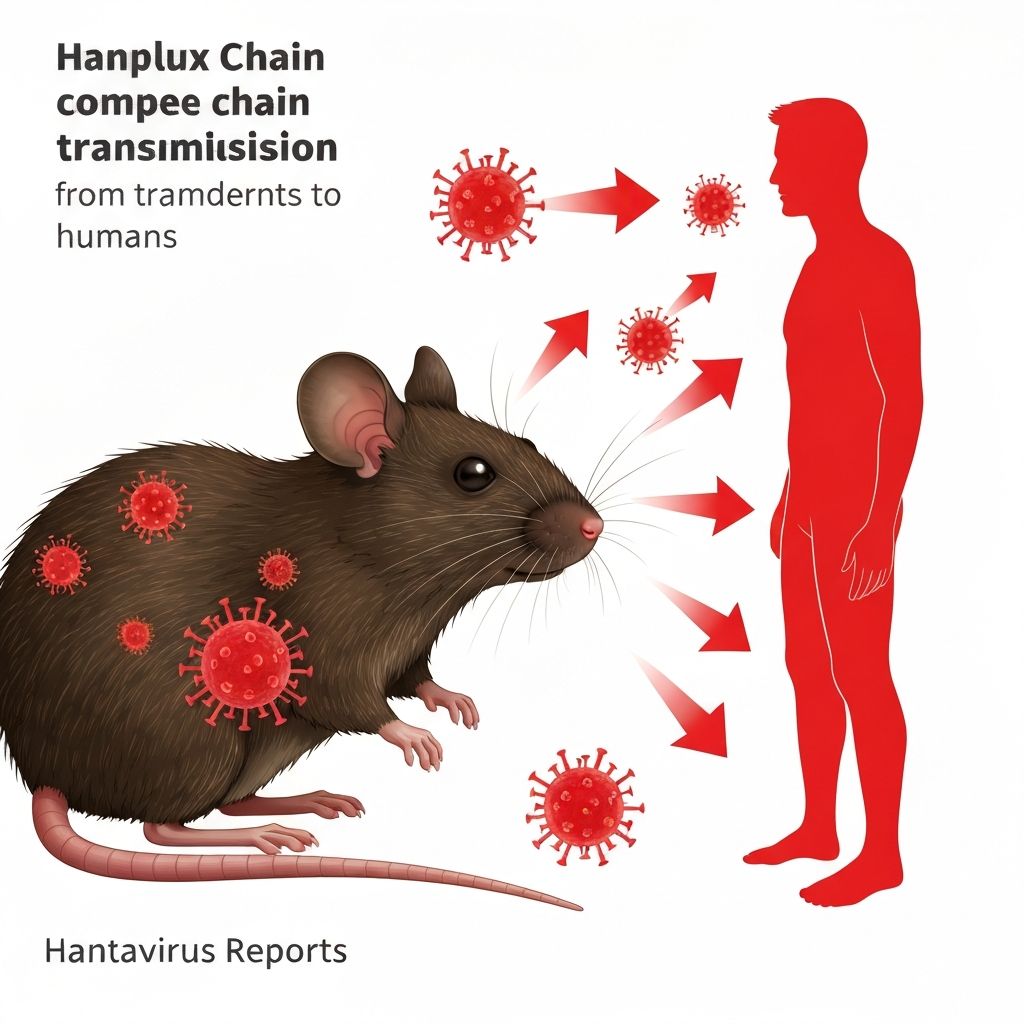
Hantavirus is primarily a rodent-borne disease. The virus lives in certain rodent species without making them sick, but when humans encounter these rodents or their contaminated materials, infection can occur.
The Primary Route: Airborne Transmission
The most common way people get hantavirus is by breathing in air contaminated with the virus. This happens when:
1. Rodent urine, droppings, or nesting materials dry out
2. These materials are disturbed (by sweeping, vacuuming, or moving objects)
3. Virus particles become airborne as tiny droplets or dust
4. A person inhales the contaminated air
This airborne route accounts for the vast majority of hantavirus infections worldwide.
Other Transmission Routes
| Transmission Method | How It Occurs | Risk Level |
|---|---|---|
| Inhalation of aerosols | Breathing contaminated dust or droplets | High |
| Direct contact | Touching infected materials then face | Moderate |
| Rodent bite | Bite from infected rodent | Low |
| Contaminated food | Eating food contaminated by rodent waste | Low |
| Person-to-person | Close contact with infected person (Andes virus only) | Rare |
Which Rodents Carry Hantavirus?
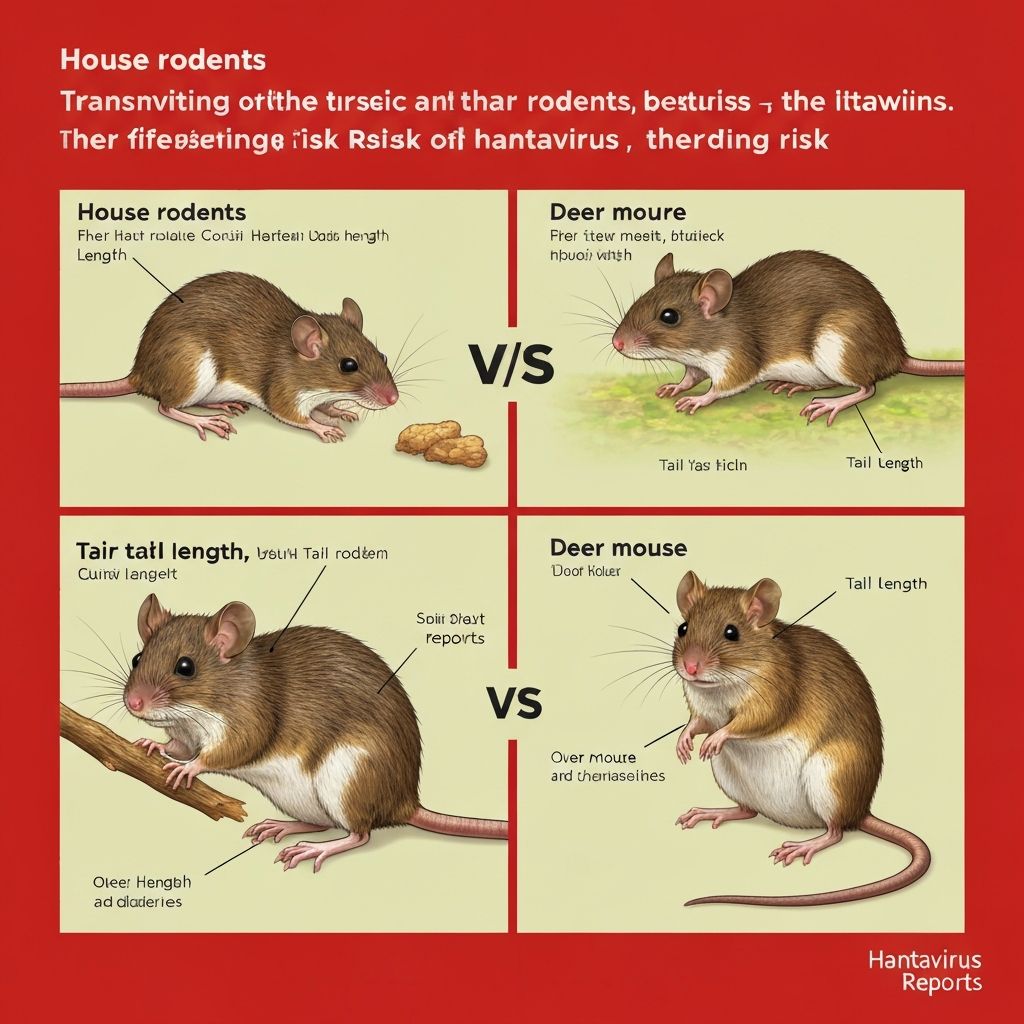
Not all rodents carry hantavirus. Specific species serve as reservoirs for different virus strains:
| Rodent Species | Virus Strain | Geographic Region | Disease Type |
|---|---|---|---|
| Deer mouse | Sin Nombre | North America | HPS |
| White-footed mouse | New York virus | Eastern USA | HPS |
| Cotton rat | Black Creek Canal | Southeastern USA | HPS |
| Rice rat | Bayou virus | Gulf Coast USA | HPS |
| Long-tailed pygmy rice rat | Andes virus | South America | HPS |
| Striped field mouse | Hantaan virus | Asia | HFRS |
| Bank vole | Puumala virus | Europe | HFRS |
| Norway rat | Seoul virus | Worldwide | HFRS |
For more information about the diseases these viruses cause, read our guide on what is hantavirus.
High-Risk Activities and Situations
Certain activities significantly increase your risk of hantavirus exposure:
Indoor Activities
- Cleaning storage buildings: Opening cabins, sheds, barns, or garages that have been closed for extended periods
- Entering vacant structures: Exploring abandoned buildings where rodents may have nested
- Cleaning attics or basements: Disturbing areas where rodents hide and nest
- Moving stored items: Shifting boxes, furniture, or equipment that rodents may have contacted
- Home renovation: Opening walls, floors, or ceilings where rodent nests may be present
Outdoor Activities
- Camping: Sleeping in areas where rodents are active, especially in shelters or cabins
- Hiking: Disturbing rodent burrows or resting in areas with visible rodent activity
- Field work: Agricultural, forestry, or construction work in rural areas
Occupational Risks
Certain occupations have elevated hantavirus risk:
- Pest control workers
- Construction and demolition workers
- Agricultural workers
- Park rangers and camp staff
- Wildlife researchers
- Utility workers accessing rural structures
- Cleaning crews for vacant properties
Geographic Risk Areas
Hantavirus risk varies significantly by location. View our interactive global map to see case distributions.
High-Risk Regions for HPS (Americas)
- Southwestern United States (Four Corners region)
- Rural areas throughout the western USA
- Argentina and Chile (Southern Cone)
- Brazil, Panama, and other Latin American countries
High-Risk Regions for HFRS (Europe and Asia)
- Scandinavia (Finland, Sweden, Norway)
- Balkans (Slovenia, Croatia, Serbia)
- Russia and Eastern Europe
- China, Korea, and other East Asian countries
Seasonal Patterns
Hantavirus transmission follows seasonal patterns related to rodent behavior:
| Season | Risk Level | Reason |
|---|---|---|
| Spring | Elevated | Rodents active after winter, people cleaning winter-closed structures |
| Summer | Elevated | Increased outdoor activities, camping season |
| Fall | Moderate | Rodents seeking indoor shelter as weather cools |
| Winter | Lower | Less outdoor activity, though indoor rodent contact possible |
Person-to-Person Transmission
A critical question many ask: Can you get hantavirus from another person?
For most hantavirus strains, the answer is no. Person-to-person transmission has only been documented with the Andes virus found in South America. This makes Andes virus unique and particularly concerning for public health.
Cases of person-to-person Andes virus transmission have occurred:
- Among household contacts of infected patients
- In healthcare settings without proper precautions
- Between close contacts during the infectious period
For the latest information on person-to-person transmission concerns, see our coverage of recent outbreak investigations.
How Long Until Symptoms Appear?
After exposure to hantavirus, symptoms do not appear immediately. The incubation period ranges from 1 to 8 weeks, with most cases developing symptoms 2 to 4 weeks after exposure.
This delay can make it difficult to connect symptoms with the original exposure event. If you have had potential rodent exposure within the past 8 weeks and develop flu-like symptoms, inform your healthcare provider immediately.
For detailed information on what symptoms to watch for, read our guide on hantavirus symptoms.
Protecting Yourself from Hantavirus
Prevention focuses on avoiding rodent contact and safely handling contaminated materials:
Rodent-Proofing Your Home
- Seal gaps and holes larger than 1/4 inch
- Install door sweeps on exterior doors
- Use metal mesh to cover vents and openings
- Store food in rodent-proof containers
- Keep garbage in sealed containers
- Remove outdoor food sources (bird feeders, pet food)
Safe Cleaning Practices
When cleaning areas with potential rodent contamination:
- Ventilate the space for at least 30 minutes before entering
- Never sweep or vacuum rodent droppings (this creates dangerous aerosols)
- Wear rubber or plastic gloves
- Spray contaminated areas with disinfectant or 10% bleach solution
- Wait 5-10 minutes before cleaning up
- Use wet mopping methods only
- Double-bag all waste materials
- Wash hands thoroughly afterward
Outdoor Safety
- Avoid disturbing rodent burrows or nests
- Do not camp near visible rodent activity
- Sleep on cots or elevated surfaces
- Store food in sealed containers away from sleeping areas
- Never handle or approach wild rodents
What to Do If You Think You Were Exposed
If you believe you have been exposed to hantavirus:
1. Do not panic: Not all rodent contact leads to infection
2. Monitor for symptoms: Watch for fever, muscle aches, fatigue for up to 8 weeks
3. Note the exposure details: Document when, where, and how the potential exposure occurred
4. Seek medical care promptly: If symptoms develop, especially difficulty breathing
5. Inform your doctor: Tell them about the potential rodent exposure
Early medical intervention significantly improves outcomes. Visit our statistics dashboard to understand current case trends.
Frequently Asked Questions
Can you get hantavirus from touching a mouse?
Direct contact with an infected rodent can potentially transmit hantavirus, though this is less common than airborne transmission. Always avoid touching wild rodents, and wash hands thoroughly if any contact occurs.
Can you get hantavirus from old mouse droppings?
Yes. Hantavirus can remain infectious in dried rodent droppings for several days to weeks, depending on environmental conditions. Old droppings should be treated as potentially infectious and cleaned using proper safety procedures.
Can you get hantavirus from a dead mouse?
Yes. Dead rodents can still harbor infectious virus. Handle dead rodents with gloves, spray with disinfectant before disposal, and double-bag before placing in outdoor trash.
Is hantavirus airborne like COVID-19?
Hantavirus becomes airborne differently than respiratory viruses like COVID-19. It does not spread through breathing, coughing, or sneezing between people (except Andes virus). Instead, it becomes airborne when contaminated rodent materials are disturbed, creating infectious dust or droplets.
How close to rodents do you need to be to get hantavirus?
There is no safe distance when working in enclosed spaces with rodent contamination. The virus can remain airborne and travel throughout a room or building once disturbed. Proper ventilation and protective equipment are essential.
Conclusion
Understanding how you get hantavirus empowers you to take effective preventive measures. The virus spreads primarily through inhaling contaminated air when rodent materials are disturbed, making careful handling of potentially contaminated areas essential.
By avoiding rodent contact, properly cleaning contaminated spaces, and seeking prompt medical care if symptoms develop, you can significantly reduce your risk of this serious illness.
Stay informed about hantavirus prevention and outbreaks by following our latest news and exploring our in-depth articles.
*This article is for informational purposes only and does not constitute medical advice. If you suspect hantavirus exposure or infection, seek immediate medical attention. Information sourced from WHO and CDC guidelines.*