How long hantavirus lasts in humans depends on several factors, including the virus strain, disease severity, and how quickly treatment begins. From the moment of infection to full recovery, the entire course can span several weeks to months.
This article provides a detailed timeline of hantavirus infection, covering incubation, acute illness, and recovery phases based on clinical data from the Centers for Disease Control and Prevention and World Health Organization.
Overview: Hantavirus Infection Timeline
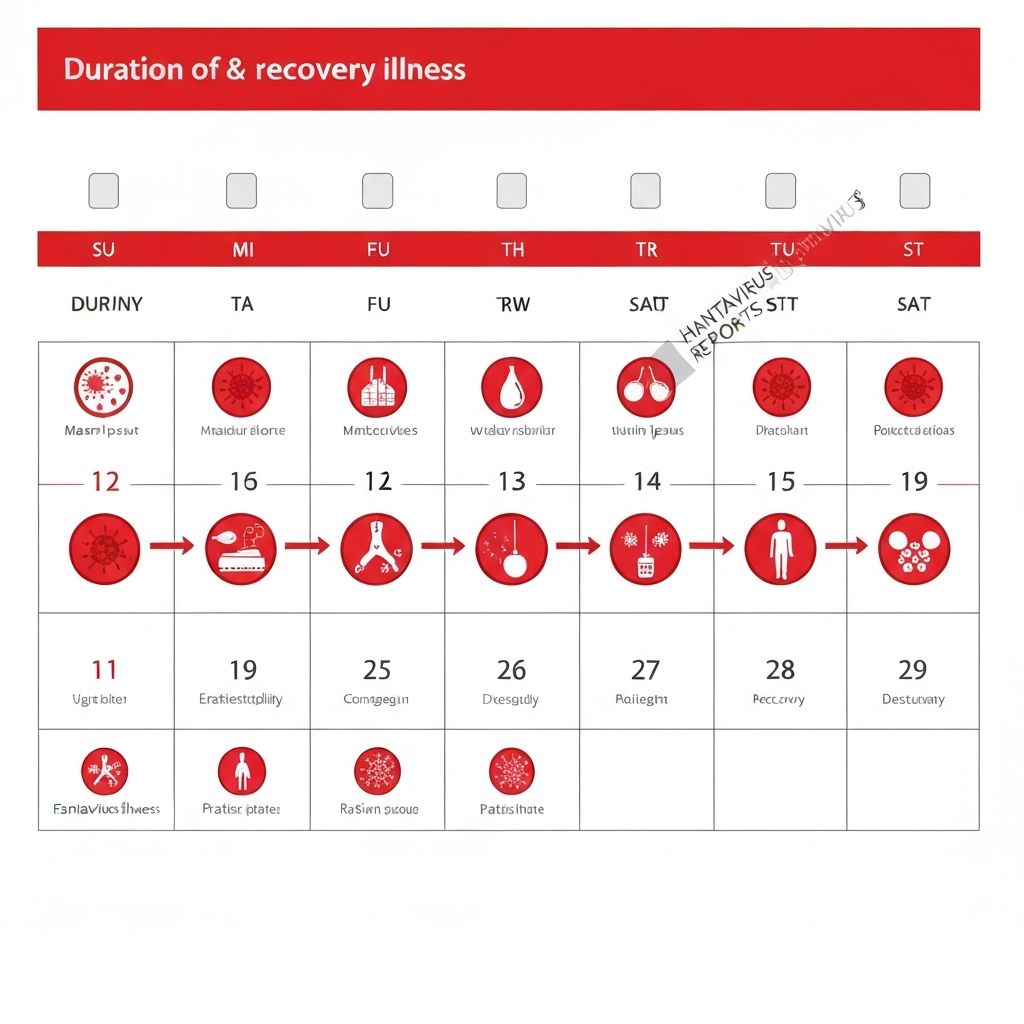
The total duration of hantavirus infection from exposure to recovery varies significantly:
| Phase | Duration | Key Characteristics |
|---|---|---|
| Incubation period | 1-8 weeks | No symptoms, virus replicating |
| Prodromal phase | 3-5 days | Flu-like symptoms begin |
| Cardiopulmonary phase (HPS) | 2-7 days | Severe respiratory symptoms |
| Oliguric phase (HFRS) | 3-7 days | Kidney dysfunction |
| Recovery phase | 2 weeks to several months | Gradual symptom improvement |
The Incubation Period: 1 to 8 Weeks
After exposure to hantavirus, the incubation period represents the time between infection and symptom onset. During this phase:
- The virus enters the body through inhalation of contaminated particles
- It begins replicating in cells lining blood vessels
- No symptoms are present
- The infected person feels completely normal
- The virus cannot be detected by standard tests
Typical Incubation Timeline
| Time After Exposure | What Happens |
|---|---|
| Days 1-7 | Virus establishes initial infection |
| Days 7-14 | Viral replication increases |
| Weeks 2-4 | Most common time for symptoms to appear |
| Weeks 4-8 | Late symptom onset possible |
For information on how exposure occurs, read our guide on how you get hantavirus.
Hantavirus Pulmonary Syndrome (HPS) Duration
HPS, found primarily in the Americas, follows a distinct timeline with rapid progression.
Prodromal Phase: 3-5 Days
The illness begins with non-specific symptoms:
- Fever (101-104°F / 38.3-40°C)
- Severe muscle aches, especially in thighs, hips, and back
- Headache
- Fatigue and weakness
- Nausea, vomiting, or diarrhea (in about half of patients)
- Dizziness
This phase often resembles influenza, making early diagnosis challenging. Learn more about recognizing these warning signs in our hantavirus symptoms guide.
Cardiopulmonary Phase: 2-7 Days
This critical phase can develop rapidly, sometimes within hours:
| Day | Progression |
|---|---|
| Day 1 | Coughing begins, mild shortness of breath |
| Day 2-3 | Breathing difficulty worsens, oxygen levels drop |
| Day 3-5 | Severe respiratory distress, possible respiratory failure |
| Day 5-7 | Peak severity, ICU care typically required |
Recovery from HPS: Weeks to Months
Recovery timelines vary based on disease severity:
| Severity | Hospital Stay | Full Recovery |
|---|---|---|
| Mild HPS | 1-2 weeks | 4-6 weeks |
| Moderate HPS | 2-3 weeks | 2-3 months |
| Severe HPS (with ECMO) | 3-6 weeks | 3-6 months or longer |
- Persistent fatigue lasting months
- Reduced lung capacity
- Exercise intolerance
- Psychological effects from ICU stay
Hemorrhagic Fever with Renal Syndrome (HFRS) Duration
HFRS, found in Europe and Asia, follows a different pattern with five distinct phases. View regional case distributions on our interactive map.
Five Phases of HFRS
| Phase | Duration | Primary Symptoms |
|---|---|---|
| Febrile | 3-7 days | High fever, headache, blurred vision |
| Hypotensive | Hours to 2 days | Low blood pressure, shock symptoms |
| Oliguric | 3-7 days | Minimal urine output, kidney stress |
| Diuretic | Days to weeks | Excessive urination, electrolyte loss |
| Convalescent | Weeks to months | Gradual recovery of kidney function |
Total HFRS Duration
The acute illness typically lasts 2-3 weeks, with full recovery taking:
- Mild cases (Puumala virus): 2-4 weeks total
- Moderate cases: 4-8 weeks total
- Severe cases (Hantaan/Dobrava virus): 2-6 months for complete recovery
Most HFRS patients recover kidney function fully, though some experience persistent mild kidney impairment.
Factors Affecting How Long Hantavirus Lasts
Several factors influence illness duration:
Virus Strain
| Virus Type | Disease | Typical Acute Duration | Severity |
|---|---|---|---|
| Sin Nombre | HPS | 1-2 weeks | Severe |
| Andes | HPS | 1-2 weeks | Severe |
| Hantaan | HFRS | 2-3 weeks | Severe |
| Seoul | HFRS | 2-3 weeks | Moderate |
| Puumala | HFRS | 1-2 weeks | Mild |
| Dobrava | HFRS | 2-3 weeks | Severe |
Patient Factors
Individual characteristics affecting duration include:
- Age: Older adults may have longer recovery times
- Overall health: Pre-existing conditions can complicate recovery
- Immune function: Immunocompromised patients face greater challenges
- Viral load: Higher initial exposure may lead to more severe illness
- Treatment timing: Early intervention improves outcomes
Treatment Quality
Access to appropriate medical care significantly impacts duration:
- Patients reaching ICU within 24 hours of severe symptoms have better outcomes
- ECMO availability can be life-saving for severe HPS
- Dialysis access improves HFRS outcomes
Learn more about available treatments in our hantavirus treatment guide.
How Long Is Hantavirus Contagious?
An important distinction: hantavirus does not spread from person to person with most strains.
Standard Hantavirus Strains
- Patients are NOT contagious to other people
- No isolation from family members required (beyond standard hospital precautions)
- Healthcare workers do not need special hantavirus-specific protection
- The virus only spreads from rodents to humans
Andes Virus Exception
The Andes virus (South America) is unique:
- Person-to-person transmission documented
- Contagious period may extend through acute illness
- Close contacts should be monitored
- Healthcare workers need enhanced precautions
Long-Term Effects: What Happens After Recovery
While most patients recover fully, some experience lasting effects:
Physical Effects
- Fatigue: Can persist for months after HPS
- Reduced exercise capacity: Especially after severe lung involvement
- Kidney function changes: Occasional mild impairment after HFRS
- Chronic pain: Some patients report persistent muscle or joint discomfort
Psychological Effects
Surviving severe hantavirus illness can have mental health impacts:
- Post-traumatic stress from ICU experience
- Anxiety about future health
- Depression during prolonged recovery
- Cognitive effects ("brain fog") during recovery period
Follow-Up Care Duration
After discharge, patients typically need:
| Timeframe | Monitoring |
|---|---|
| 2 weeks post-discharge | Initial follow-up, symptom assessment |
| 1 month | Lung function or kidney function tests |
| 3 months | Repeat testing if abnormalities present |
| 6-12 months | Long-term follow-up for severe cases |
Comparing Hantavirus Duration to Other Illnesses
For context, here is how hantavirus compares to other respiratory illnesses:
| Illness | Incubation | Acute Phase | Full Recovery |
|---|---|---|---|
| Hantavirus (HPS) | 1-8 weeks | 1-2 weeks | 1-6 months |
| Influenza | 1-4 days | 1-2 weeks | 2-4 weeks |
| COVID-19 | 2-14 days | 1-3 weeks | 2 weeks to months |
| Pneumonia | 1-3 days | 1-3 weeks | 2-8 weeks |
Frequently Asked Questions
How long does hantavirus stay in your system?
The active virus is typically cleared by the immune system within 2-3 weeks of symptom onset. However, antibodies remain in the blood for years, providing evidence of past infection. The virus does not remain dormant or reactivate like some other viruses.
Can hantavirus symptoms come and go?
During the acute illness, symptoms generally progress continuously rather than fluctuating. However, during recovery, patients may have good days and bad days, with fatigue and weakness varying from day to day over several weeks.
How long after exposure should I worry about hantavirus?
Monitor for symptoms for 8 weeks after potential rodent exposure. If no symptoms develop within this period, infection is unlikely. If flu-like symptoms appear, especially with breathing difficulty, seek immediate medical care.
Does hantavirus ever go away completely?
Yes. Unlike chronic viral infections (such as HIV or hepatitis B), hantavirus infection resolves completely. The immune system clears the virus, and there is no chronic carrier state. Most patients make full recoveries without lasting viral presence.
How long until I can return to work after hantavirus?
Return to work depends on illness severity and job demands:
- Mild cases: 2-4 weeks after discharge
- Moderate cases: 4-8 weeks
- Severe cases: 2-4 months or longer
- Physical labor jobs: May require longer recovery
Always get medical clearance before resuming strenuous activities.
Prevention: Avoiding Hantavirus Entirely
Since hantavirus illness can last weeks to months and has significant mortality risk, prevention is essential:
Rodent Control
- Seal all entry points to your home
- Eliminate food sources that attract rodents
- Use traps to control existing populations
- Keep outdoor areas clear of debris
Safe Cleaning
- Never sweep or vacuum areas with rodent droppings
- Ventilate enclosed spaces before entering
- Use disinfectant or 10% bleach solution
- Wear protective gloves during cleanup
Check current outbreak trends on our statistics dashboard.
Conclusion
How long hantavirus lasts in humans varies from a few weeks for mild cases to several months for severe infections requiring intensive care. The key timeline points are:
- Incubation: 1-8 weeks (average 2-4 weeks)
- Acute illness: 1-3 weeks
- Recovery: 2 weeks to 6 months depending on severity
Early recognition of symptoms and prompt medical care are the most important factors in reducing illness duration and improving outcomes. If you have potential rodent exposure and develop flu-like symptoms, especially breathing difficulties, seek emergency medical care immediately.
Stay informed about hantavirus by following our latest news and exploring our in-depth articles.
*This article is for informational purposes only and does not constitute medical advice. If you suspect hantavirus infection, seek immediate medical attention. Information sourced from WHO, CDC, and peer-reviewed medical literature.*