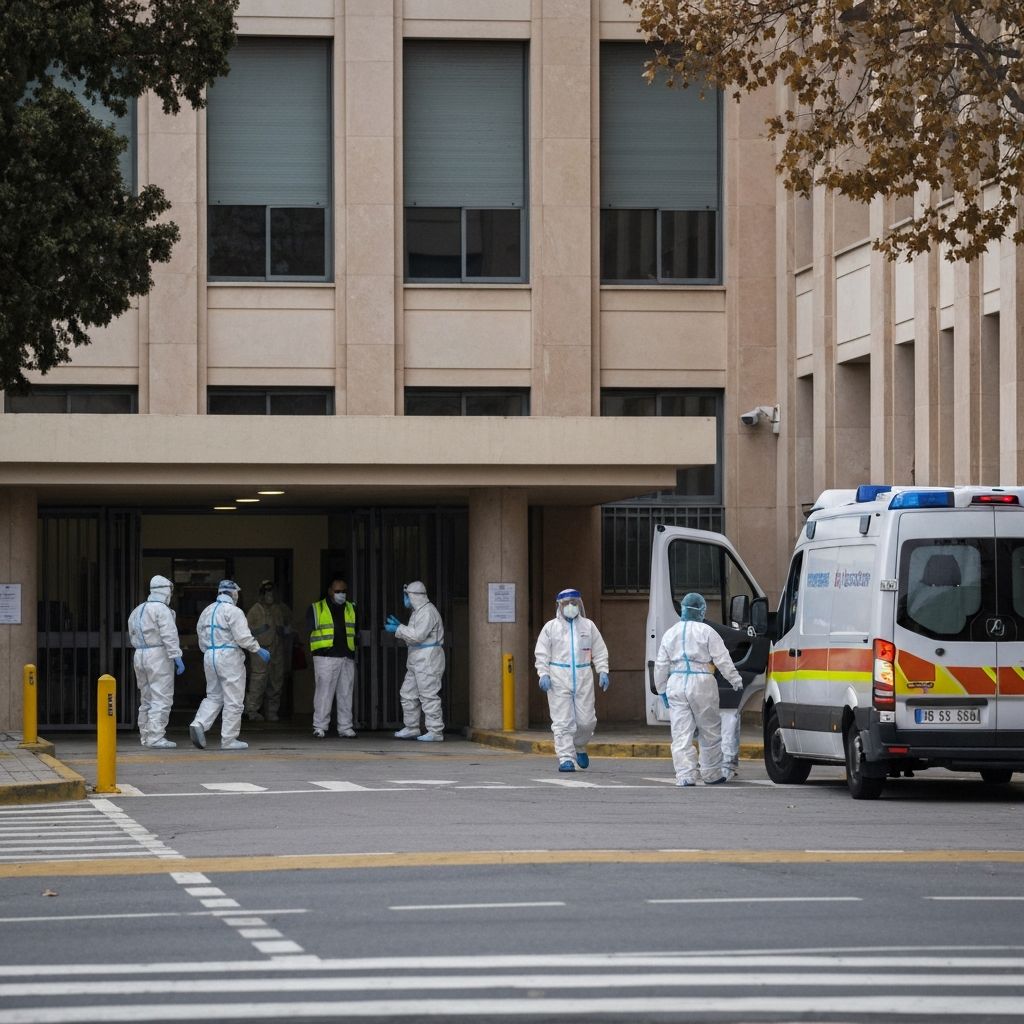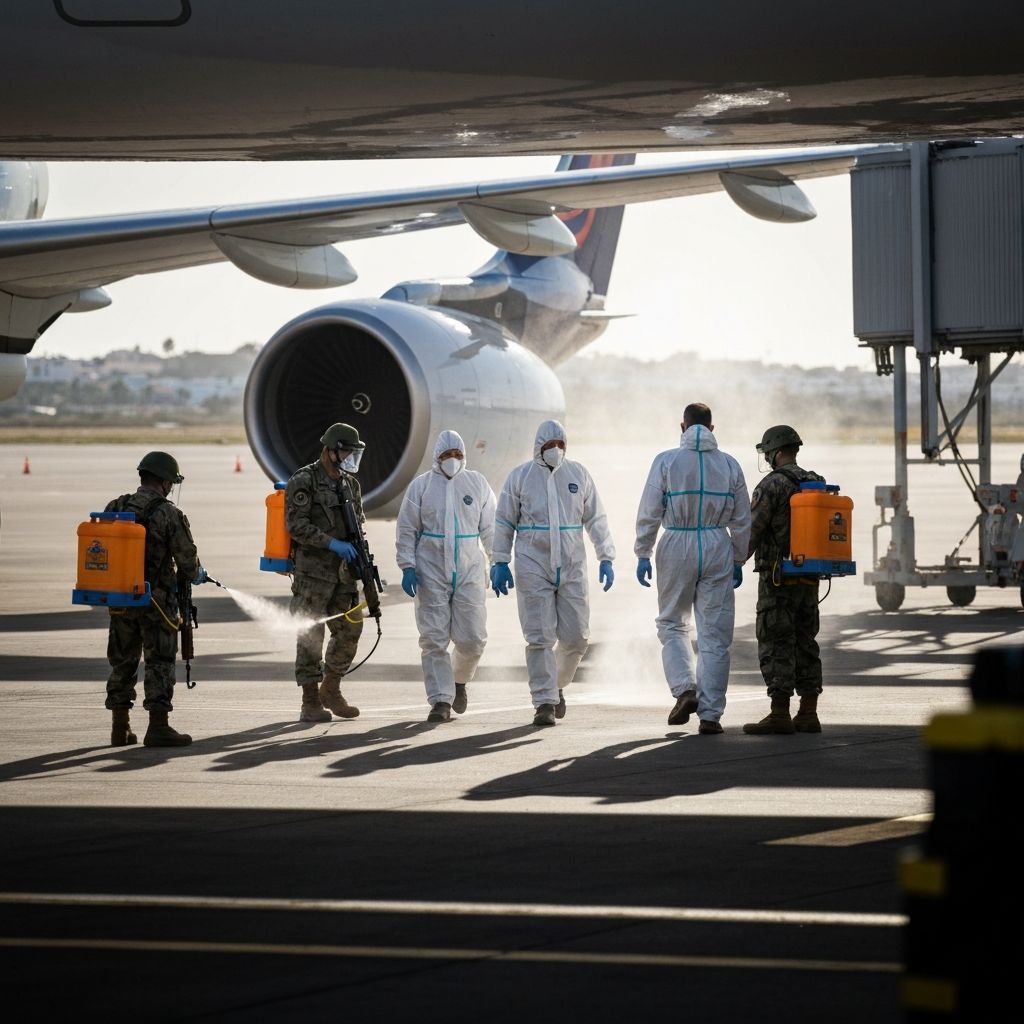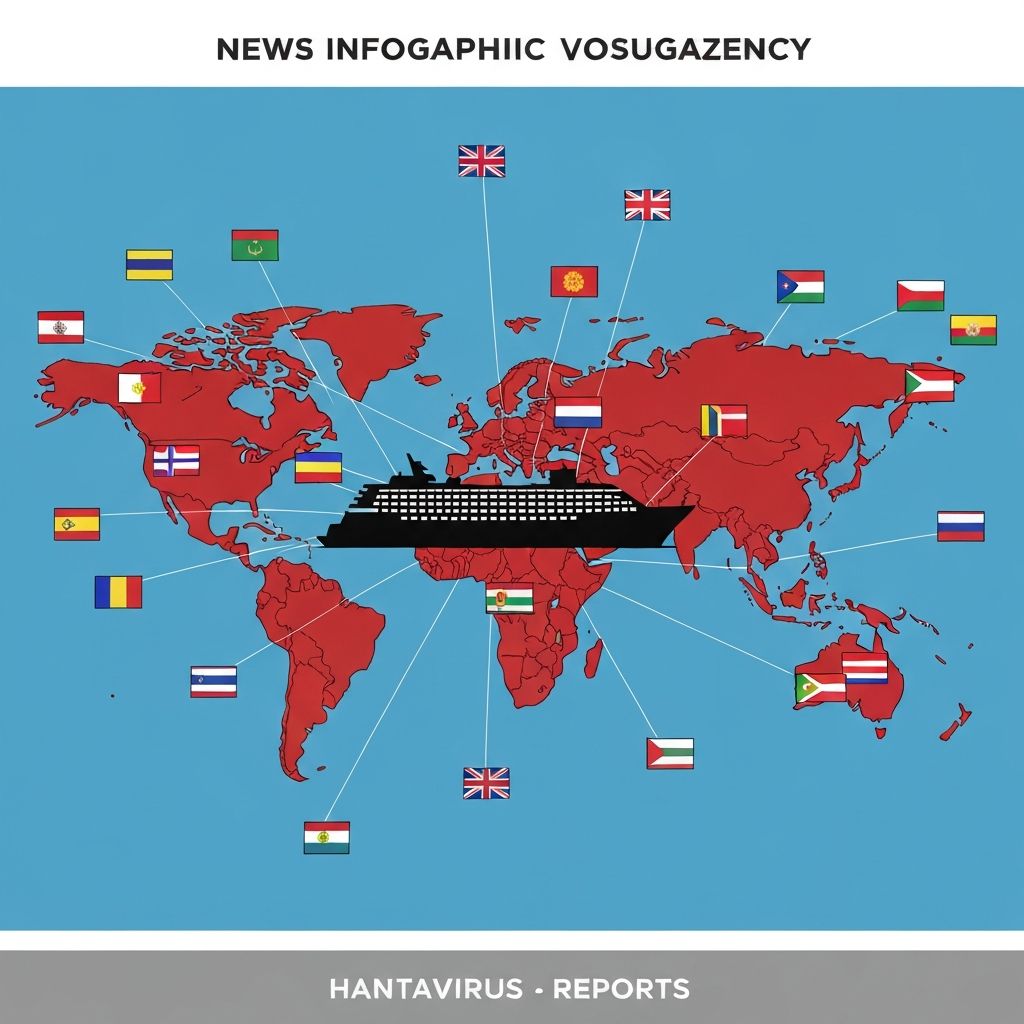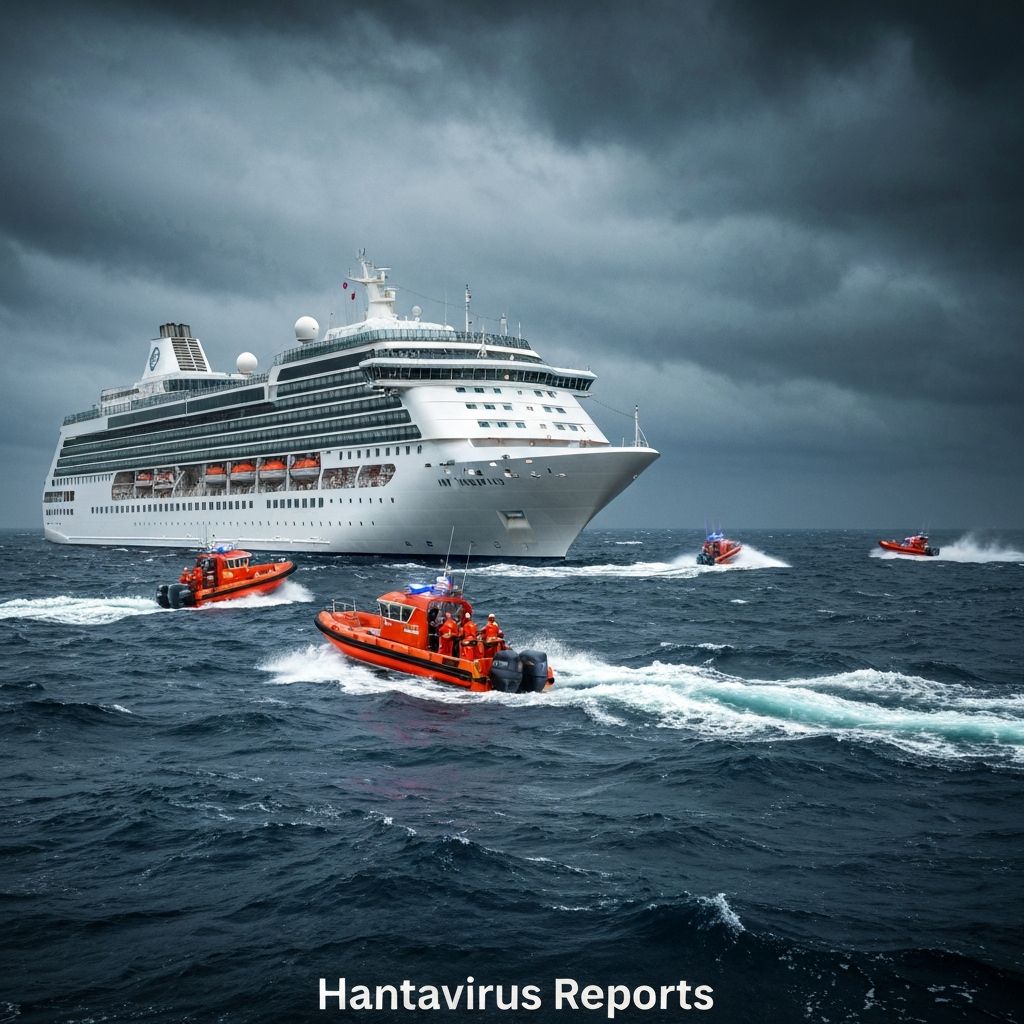
Health authorities across several countries are racing to trace and contain an outbreak of hantavirus after the World Health Organization confirmed five infections among people connected to the cruise ship MV Hondius.
The virus is typically associated with rodents, but it may have passed from human to human aboard the vessel, according to WHO. Since April 11, three people from the ship have died, while a handful of others remain ill.
The outbreak was first reported to WHO on May 2 and remains a low risk to the general public, the organization says. The US Centers for Disease Control and Prevention has classified its hantavirus response as level 3, the agency's lowest level of emergency.
Spanish authorities will conduct a full epidemiological investigation and disinfect the ship after it docks in Tenerife in the Canary Islands, where WHO believes the port has the right conditions for passengers to safely disembark.
Here are the details by the numbers so far.
How Many People Are Potentially Exposed?
| Category | Number |
|---|---|
| Total people aboard | 147 |
| Passengers | 87 |
| Crew members | 60 |
| Nationalities represented | 24 |
| American passengers | 17 |
KLM said authorities in the Netherlands have also reached out to passengers on a second flight that the Dutch woman briefly boarded in Johannesburg. She left the 11:15 p.m. flight, KL592, before it took off because she was too sick to fly. A flight attendant who had experienced symptoms tested negative, WHO told media sources.
Country-Specific Monitoring
- United Kingdom: Two UK nationals have confirmed hantavirus cases, with an additional suspected case of a British national who disembarked on Tristan da Cunha
- Switzerland: Contact tracing underway for people who came into contact with a patient being treated at University Hospital Zurich
- United States: Five states (Arizona, California, Georgia, Texas, and Virginia) are monitoring seven people who disembarked from the ship
- New Jersey: Monitoring two additional people who were exposed
- Saint Helena: At least 30 passengers disembarked at this remote South Atlantic island in late April
Confirmed Cases and Deaths
| Statistic | Number |
|---|---|
| Confirmed cases | 5 |
| Suspected cases | Multiple additional |
| Deaths | 3 |
Timeline of Deaths
First Death (April 11): A 70-year-old Dutch man suddenly fell ill on April 6 with fever, headache, abdominal pain, and diarrhea. He went into respiratory distress on April 11 and died onboard the ship that day. No microbiological tests were performed. His body was removed to Saint Helena on April 24. Second Death (April 26): The Dutch man's 69-year-old wife went ashore at Saint Helena on April 24 with stomach problems. She flew to Johannesburg, and her condition deteriorated. She collapsed while trying to fly home to the Netherlands and died at a nearby hospital on April 26. Molecular tests confirmed hantavirus on May 4. Third Death (May 2): A German woman developed a fever and appeared to have pneumonia on April 28. She died May 2 on board the ship. Her cause of death is being treated as a suspected hantavirus case.Illness Timeline
| Event | Date |
|---|---|
| First symptoms reported | April 6 |
| Last onset of symptoms | April 28 |
| First death | April 11 |
| Outbreak reported to WHO | May 2 |
| Virus strain confirmed | May 4 |
Current Patient Status
The second confirmed case first reported to the ship's doctor on April 24 with fever, shortness of breath, and signs of pneumonia. On April 26, his condition deteriorated, and he was evacuated to South Africa, where he remains in intensive care. Initial lab tests were negative, but molecular testing on May 2 confirmed hantavirus infection.
Three people were evacuated Wednesday, including a ship doctor and a person associated with one of those who died. Two crew members, one British and one Dutch, have acute respiratory symptoms requiring urgent care.
A seventh suspected case reported a mild fever but is now feeling well and has provided a sample for testing. Another case emerged when Swiss authorities confirmed a man was being treated at University Hospital Zurich for the Andes strain of hantavirus.
Ship Location and Status
| Detail | Information |
|---|---|
| Departure from Cape Verde | May 7, 7:15 p.m. local time |
| Current heading | North toward Canary Islands |
| Journey duration | 3-4 days |
| Expected arrival | Port of Granadilla, Tenerife, early hours of Sunday, May 10 |
| Medical staff on board | 3 doctors (2 specialists from Netherlands arrived Wednesday) |
Passenger Repatriation Plans
- American passengers (17): Will be escorted to the United States by a CDC team via chartered flight, expected to quarantine in Nebraska
- Spanish passengers (14): Will be transported to a military hospital after examination
- Other passengers: Will be repatriated according to Spain's health minister
Virus Origin and Characteristics
Authorities are still investigating the origins of the case cluster. WHO believes the Dutch couple and possibly others were infected before joining the cruise on April 1, possibly while doing activities in Argentina, where hantavirus is endemic.
After sequencing the virus from infected individuals, WHO confirmed the cases resulted from the Andes hantavirus strain. The Andes strain is the only type of hantavirus known to have limited human-to-human transmission.
Incubation and Monitoring Period
| Factor | Duration |
|---|---|
| Typical incubation | 1-6 weeks |
| Possible symptom onset | 1-8 weeks after exposure |
| Recommended monitoring period | 45 days |
Hantavirus Mortality and Transmission
| Factor | Data |
|---|---|
| HPS mortality rate | Approximately 38% |
| Estimated Andes strain cases in history | About 3,000 |
| Global annual cases | 60,000-100,000 |
| US cases (1993-2023) | 890 |
Dr. Gustavo Palacios, a microbiologist at the Icahn School of Medicine at Mount Sinai who studied the virus in Argentina, estimated the window for transmission is short, maybe about a day, but it can spread after brief proximity to an infected person. Peak infectiousness is believed to be on the day a fever begins.
According to Palacios' study of a 2018-19 outbreak in Argentina, the Andes virus reproductive number was estimated at 2.12 before public health interventions and 0.96 after isolation and quarantine measures.
Key Takeaways
- There is no vaccine that prevents hantavirus and no specific treatment
- Early supportive care and immediate ICU referral can improve survival
- WHO has classified hantaviruses as an emerging priority due to infection severity
- Interest in hantavirus spiked last year after Betsy Arakawa, wife of Oscar-winning actor Gene Hackman, died of hantavirus at age 65
For more information about hantavirus, read our guides on hantavirus symptoms and treatment options. Track the latest case data on our statistics dashboard and global map.